Cloud Image
Cloud Image
Cloud Image

Mobile Payments: The Rise Of Contactless Transactions Globally

Author Image
David Reynolds

Creative Director

David leads creative storytelling initiatives that build strong emotional connections with audiences.
Social Icon
Social Icon
Social Icon
Social Icon
Social Icon
Social Icon

The way we pay has changed dramatically over the past decade. Cash is fading, physical cards are becoming secondary, and mobile devices are emerging as the primary payment tool. Mobile payments and contactless transactions are redefining convenience, speed, and security in modern finance.

The Evolution of Contactless Payments

Traditional payment systems required physical cash exchanges or card swipes with PIN verification. While effective, these methods often caused delays friction at checkout.

Contactless technology introduced Near Field Communication (NFC), allowing payments to be completed by simply tapping a card or smartphone on a terminal. This shift eliminated unnecessary steps, reducing transaction time and enhancing user experience.

“Contactless payments are not just faster — they represent a shift toward frictionless financial ecosystems.”

Key Drivers Behind Mobile Payment Growth

1. Speed and Convenience

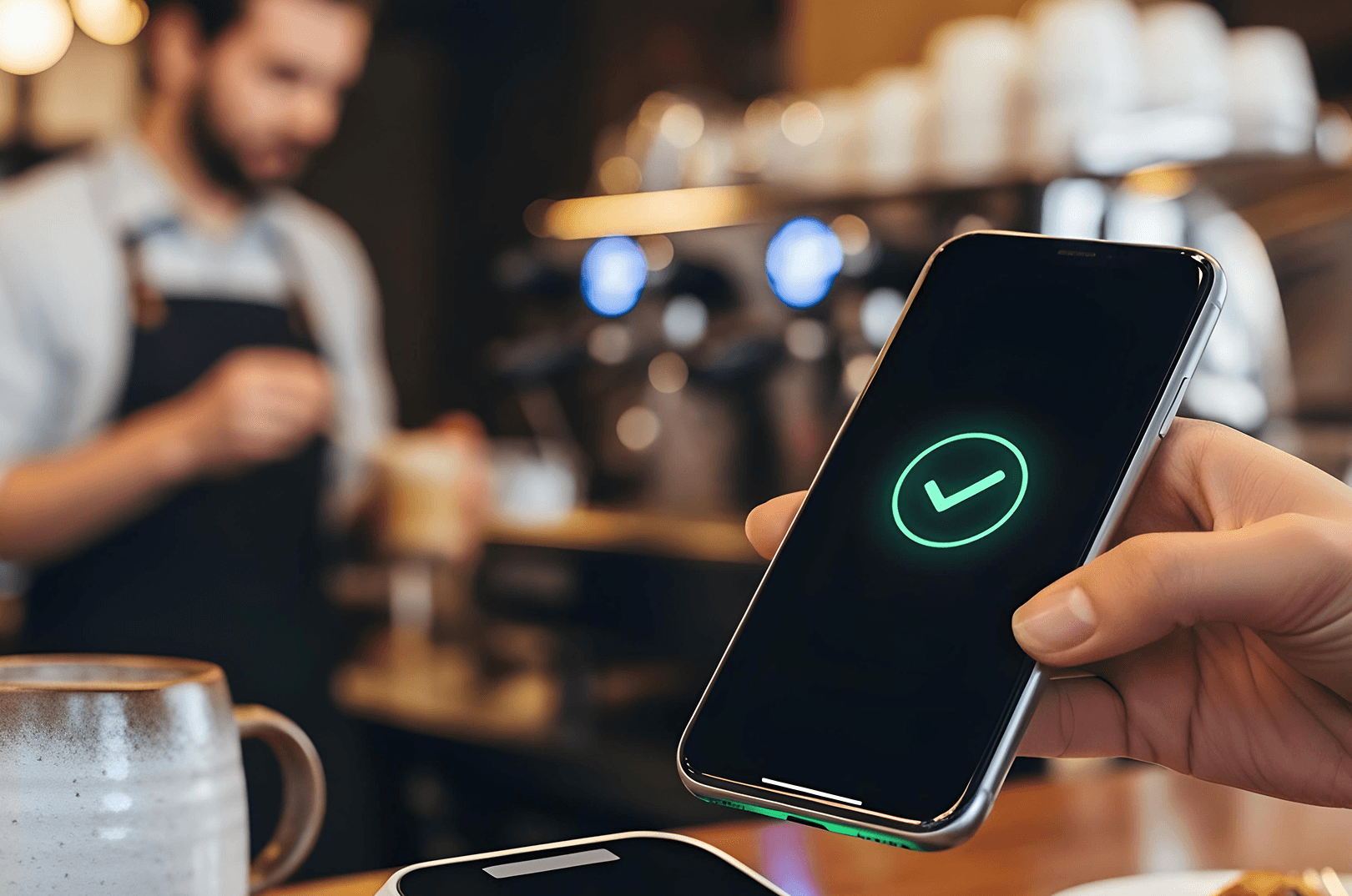
Mobile payments significantly reduce checkout time. A simple tap or scan completes the transaction within seconds, improving efficiency for both customers and businesses.

Benefits include:

  • Faster transaction processing

  • No need for physical cash

  • Reduced waiting time in queues

  • Seamless integration with digital wallets

2. Enhanced Security

Contrary to early skepticism, contactless payments are highly secure. Technologies such as tokenization and biometric authentication (fingerprint or facial recognition) add multiple layers of protection.

Each transaction generates a unique encrypted code, making it difficult for fraudsters to replicate payment data. This combination of speed and security has accelerated consumer trust in mobile payment platforms.

The way we pay has changed dramatically over the past decade. Cash is fading, physical cards are becoming secondary, and mobile devices are emerging as the primary payment tool. Mobile payments and contactless transactions are redefining convenience, speed, and security in modern finance.

The Evolution of Contactless Payments

Traditional payment systems required physical cash exchanges or card swipes with PIN verification. While effective, these methods often caused delays friction at checkout.

Contactless technology introduced Near Field Communication (NFC), allowing payments to be completed by simply tapping a card or smartphone on a terminal. This shift eliminated unnecessary steps, reducing transaction time and enhancing user experience.

“Contactless payments are not just faster — they represent a shift toward frictionless financial ecosystems.”

Key Drivers Behind Mobile Payment Growth

1. Speed and Convenience

Mobile payments significantly reduce checkout time. A simple tap or scan completes the transaction within seconds, improving efficiency for both customers and businesses.

Benefits include:

  • Faster transaction processing

  • No need for physical cash

  • Reduced waiting time in queues

  • Seamless integration with digital wallets

2. Enhanced Security

Contrary to early skepticism, contactless payments are highly secure. Technologies such as tokenization and biometric authentication (fingerprint or facial recognition) add multiple layers of protection.

Each transaction generates a unique encrypted code, making it difficult for fraudsters to replicate payment data. This combination of speed and security has accelerated consumer trust in mobile payment platforms.

Content Image

AI-powered dashboards provide real-time insights into financial data

3. Growth of Digital Wallets

Digital wallets store payment cards, loyalty cards, and even identification documents securely within a mobile application. Users can conveniently manage multiple payment methods all in one place.

These wallets also provide:

  • Real-time spending notifications

  • Transaction history tracking

  • Budgeting integration

  • Rewards and cashback tracking

Mobile payments are no longer just transactional — they are part of a broader financial management ecosystem.

4. E-Commerce and QR-Based Payments

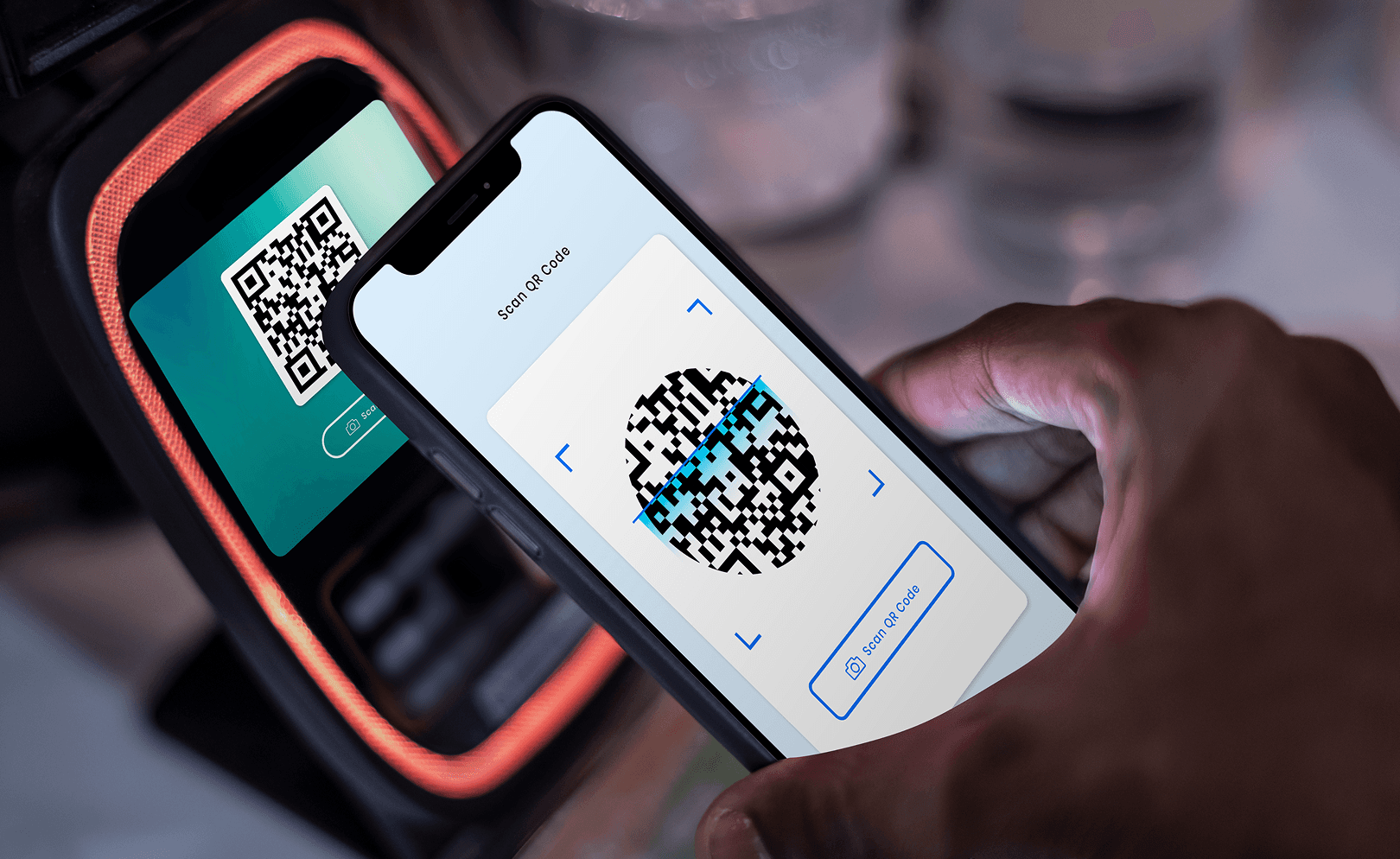
The rapid expansion of online shopping and QR code payments has further fueled contactless adoption. Consumers increasingly prefer paying directly through mobile apps or scanning QR codes instead of handling cash or cards.

This shift has created new opportunities for small businesses and global merchants alike.
Content Image

Cross-functional teams are essential for successful AI implementation

Impact on Businesses and Financial Institutions

For businesses, mobile payments reduce cash handling costs and improve transaction accuracy. For financial institutions, they create valuable data insights into spending patterns and consumer behavior.

Banks and fintech platforms can leverage this data to:

  • Offer personalized promotions

  • Improve fraud detection

  • Deliver smarter financial insights

  • Deliver smarter financial insights

The Future of Contactless Transactions

The next phase of mobile payments will focus on deeper integration with wearable devices, smart ecosystems, and AI-powered financial assistants.

As technology advances, contactless payments will continue to redefine how we interact with money.

Conclusion

Mobile payments are more than a trend — they are a transformation in how financial transactions occur. By combining speed, convenience, and security, contactless systems are shaping the future of modern finance.

In a world increasingly driven by digital experiences, mobile payments represent the next step toward a seamless and connected financial ecosystem.

Share this article

twitterlinkedinfacebookcopy

Create a free website with Framer, the website builder loved by startups, designers and agencies.